Toy Collecting and Styling Inspiration: Bring HEYONE Into Everyday Life
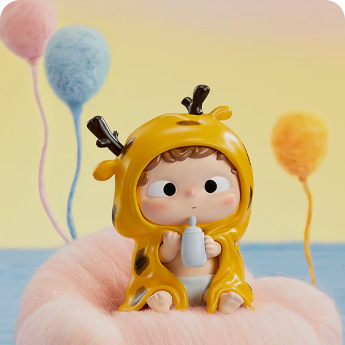
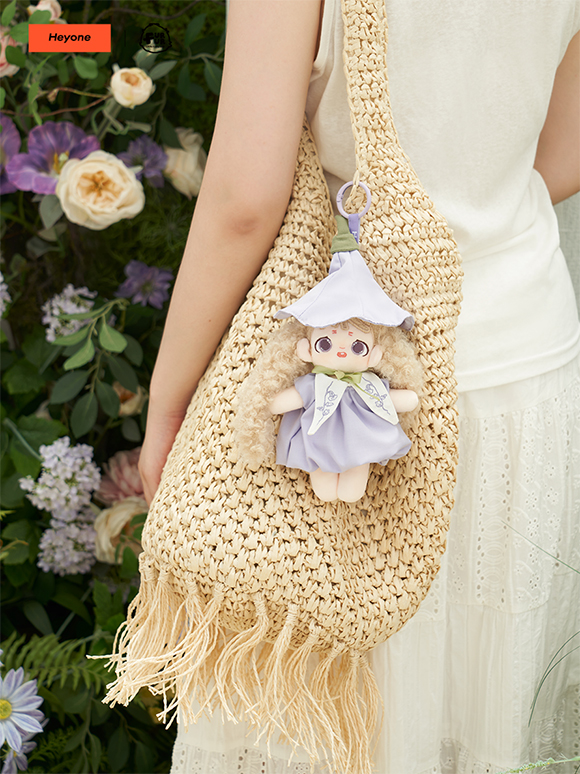
TL;DR: A good collectible display is not about filling every surface. It is about giving a character, a color, or a small story the right place to stand out. Use HEYONE plush pendants as movable accents for bags and daily routines, then build desk or home displays around one clear focal figure, a supporting piece, and enough breathing room for the scene to feel intentional. Once a collection moves beyond the first few unboxings, a new question appears: where does everything belong? The answer does not have to be another crowded shelf. A plush pendant can add character to a practical bag. A blind-box figure can turn a monitor shelf into a tiny visual world, while mini pieces can mark a reading corner or bedside table. At HEYONE, characters move through different forms. OZAI brings quick, playful energy to an everyday scene. MIMI invites a slower look. Other IPs open doors into fantasy, curiosity, affection, and independence. Let the format and setting reveal another side of the character. A bag is one of the easiest places to let a collectible leave the shelf. Because the piece will move and brush against clothing, the styling should be expressive without becoming difficult to carry. Look at the bag's shape, material, and existing details. A simple tote can take a more expressive accent, while a structured bag may suit one smaller point of interest. If the bag already has bold hardware or prints, let the pendant support rather than compete. You do not need perfect color matching. A calm base can sharpen a playful character, while a bright bag can frame a softer mood. Aim for a relationship the eye can understand. One character piece often has more impact than five competing charms. Choose a hero pendant, then add a smaller supporting detail only when it repeats a color, echoes a shape, or introduces a useful texture. For a playful direction, explore the OZAI-First Floating Bottle-MINI Plush Doll Blind Box. The design is revealed after opening, so use the result as a compact everyday accent when its format and attachment details suit your bag, or give it a small display spot. For a softer direction, explore the MIMI-Inner Ease Journal Series Vinyl Plush Pendant Blind Box. Keep the rest of the bag simple so the character remains easy to notice. A rotating charm system keeps your collection visible without making every outing look the same. Change by color, season, trip, or mood. Before attaching a piece, check its construction and your bag's hardware, and avoid constant friction or places where it can catch. Use the formula as a starting point, then let the actual colors, scale, and attachment format make the final decision. Your desk stays in one place, so it can hold a fuller scene, but it still needs to remain usable. A good display gives your eyes a place to rest instead of adding visual noise. Start with three roles: The focal character: the piece that catches attention first. The support: a mini figure, smaller object, or secondary character that gives the focal piece context. The breathing space: an empty area that lets both pieces remain readable. An OZAI figure can be the lively center of a desk scene beside a notebook, lamp, or small stack of books. Keep its expression in clear view. For a more reflective mood, place MIMI near books, a journal, or a planning area. The character does not need to improve productivity. It only needs to make the space feel considered. Slight differences in height make a display easier to read. Place the tallest figure toward the back, keep smaller pieces to one side, and leave enough distance for each silhouette to remain distinct. A shallow tray or open shelf can define the scene without making it heavy. Unopened blind-box packaging can sit nearby as a reminder of the series world, but it should not replace the display itself. A personal style corner can be one shelf, a cabinet top, a bedside surface, or the area beside a reading chair. The key is to give it a clear point of view. Begin with a piece that already has presence: a favorite OZAI figure, a quieter MIMI design, or a special figure with visual weight. Add around it instead of starting with equal-sized objects. The second layer can be a plush pendant, mini piece, accessory, or everyday object that shares the mood. Books, stationery, headphones, ceramics, and framed art can all work when each object has enough room to be understood. A good display is allowed to evolve. Rotate pieces when a new series arrives, the season changes, or you want to see a different expression. A quick photograph before rearranging can become a visual diary. For a more focused styling method, choose one of three directions: Character-first: one IP leads, while other objects stay quiet. Mood-first: pieces from different IPs share a feeling such as playful, dreamy, or offbeat. Color-first: the character pieces are united by a palette, even when their stories differ. Mood-first styling is useful when you own several blind-box designs but do not want to display a complete set. A collection does not have to follow release order. It can follow the way the pieces make the space feel. The unboxing moment can become the first step in a creative project. Imagine two possible places before opening, then see which setting gives the result more room. The blind box offers a starting point; styling gives it a second act. A regular design or duplicate can still find the right scene. For UGC, show one character in three contexts: on a bag, on a desk, and in a home corner. Pair one close-up with one wider scene image. A simple prompt such as “Where does this character belong today?” invites other collectors to share their own styling logic. Too many focal points. If everything is bright, oversized, or detailed, the eye has nowhere to begin. Choose a lead character. Ignoring scale. A tiny piece can disappear beside a large monitor. A larger figure may need more empty space. Treating every format the same. A plush pendant moves through daily life differently from a display figure. Let the format guide the setting. Buying only to fill a gap. A collection becomes more personal when every addition has a reason, even “this expression made me smile.” Forgetting practical details. Check the product page for format, contents, and care information. Blind-box designs are randomly selected, and a hidden edition is not guaranteed. Start with one hero pendant and a simple bag base. Repeat one color or texture elsewhere, keep the attachment secure, and leave enough space for the character to remain visible. There is no fixed number, but three roles work well: one focal figure, one supporting piece, and some breathing space. Add more only when the composition remains easy to read. Choose one visual anchor, add a second layer such as a mini or plush pendant, and organize the corner by character, mood, or color. Rotate pieces instead of trying to display everything at once. Move it into another display, trade it, gift it, or photograph it in a different setting. A duplicate can have a new role when the styling idea changes. Yes. The two featured HEYONE product pages describe randomly selected items and note that rare hidden editions are not guaranteed. Check each listing for its exact format and purchase terms. The most memorable collection is not always the largest one. It is the one that finds its way into real life: a character on your bag, a scene beside your keyboard, or a corner that changes with your mood. Start with one piece that gives you a clear feeling. Give it room to speak, and let the next piece join when it has something new to add. That is how a blind box becomes part of your way of seeing.Toy Collecting and Styling Inspiration: Bring HEYONE Into Everyday Life
Collecting Can Be Part of Your Personal Style
How to Style a Plush Pendant on Your Bag
Start with the bag, not the charm
Use one hero and one supporting detail
Rotate instead of piling on
Three Bag Styling Formulas
Desk Display Ideas for Figures and Blind Boxes
Build a three-part composition
Use height and depth
Build a Personal Style Corner at Home
Choose one visual anchor
Add a second layer of life
Keep the corner changeable
Make Blind Boxes Part of the Styling Process
Common Styling Mistakes to Avoid
FAQ
How do I style a plush pendant with my bag?
How many figures should I display on a desk?
How can I create a personal style corner with blind boxes?
What can I do with a duplicate blind-box figure?
Are HEYONE blind boxes randomly selected?
Let the Collection Move